Our Blog

Is Charcoal Teeth Whitening Safe?

January 30th, 2019

Health and beauty trends surface on the web every day, and it can be difficult to tell which ones are worth your time, or even safe, for that matter. Perhaps one of the biggest dental trends recently on Facebook, YouTube, and Instagram has been teeth whitening through brushing with activated charcoal.

Unfortunately, charcoal whitening isn’t everything the Internet makes it out to be. Activated charcoal isn’t what you use to grill at a summer barbecue; it’s an oxidized substance made from peat, coal, wood, coconut shell or petroleum heated with a gas.

Toxins and surface stains can cling to charcoal due to its adhesive qualities, which is why some people declare it’s perfect for removing discoloration on teeth. Although it may show quick results initially, charcoal is nothing more than a temporary solution.

The abrasive texture may roughen up enamel, which will make it easier for future stains to stick to the surface of your teeth. They may show stains shortly after you use charcoal on them, and may become even more discolored than before.

It’s crucial to emphasize the results of damaged tooth enamel because it cannot replenish itself, which means any damage is permanent. People with receding gums or sensitive teeth especially should steer clear of charcoal because it can make brushing too harsh and worsen sensitivity.

Long-time use can deplete enamel, which over time exposes dentin: the soft, yellowish layer in the tooth. This puts you at a higher risk for cavities, tooth discoloration, and complicated dental problems such as periodontal disease in the future.

The American Dental Association does not approve of charcoal as a safe means for whitening teeth. If you do choose to use it, do so with caution.

Charcoal should be used once every other week at the most, even if your teeth feel fine. The only proven ways to whiten teeth safely are with ADA-approved whitening products or in-office bleaching treatments overseen by a dental professional.

Before you begin any whitening treatment at home, consult with Melissa Newman to make sure your teeth won’t be harmed in the process. If you are already experiencing sensitivity, stop charcoal use immediately and make an appointment with our office right away.

If you have questions about whitening or want to schedule an in-office whitening treatment, feel free to give our Plaistow, New Hampshire office a call today!

Top Five Dental Myths

January 23rd, 2019

Sometimes the line between fact and fiction is easily blurred. This is certainly the case when it comes to dentistry, where myths and misconceptions abound. In a bid to put an end to health hoaxes, here are five dental myths to chew over.

Sugar Is the Number One Culprit of Tooth Decay

Sugar will rot your teeth. If you’re a parent, chances are you tell your children this every time they ask for something sweet. And chances are your parents told you the same thing. There’s no denying that sugar leads to cavity formation, but it's not the number one culprit of tooth decay. Sugar adds fuel to the fire, but it doesn’t light the match.

Going to the Dentist Is a Painful Experience

There are people who don’t go to the dentist because they think it’s going to be a painful experience. It’s time to put this myth to rest. New dental technology, developments in anesthetics and analgesics, and more conservative dental procedures have made visits to our Plaistow, New Hampshire office a more comfortable experience.

Bad Breath Means You’re Not Brushing

Poor dental hygiene can cause bad breath, but it’s not the only thing that will leave you looking for a breath mint. There are many factors that can cause bad breath, including illness, acid reflux, medication, and dehydration. In addition, sometimes what you eat or drink can give you bad breath no matter how many times you brush and floss. Next time you order a sub for lunch, skip the onions and garlic.

Bleaching Products Weaken Teeth

Gels, pastes, strips — there are all sorts of products available to make our pearly whites even whiter. If used according to the directions, bleaching products are harmless. They do not affect the health or strength of the teeth, only the color. At the same time, too much bleaching can cause temporary tooth sensitivity or irritated gums; the enamel, however, is not weakened.

You Will Know When You Have Tooth Decay

This is the type of false information that can lead to serious dental problems. There are no early symptoms of tooth decay. By the time you experience pain, your tooth decay has led to nerve damage, which means your decay is advanced and extensive. The only way to know if you have tooth decay —and to prevent it — is to visit Melissa Newman twice a year for a checkup and cleaning.

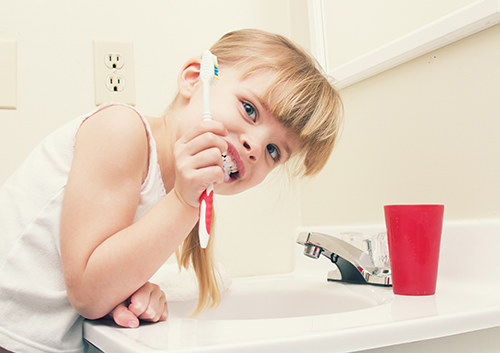
Brushing Tips for Kids

January 16th, 2019

You’re all set for your happy morning and nighttime ritual. You’ve provided your son with his favorite action hero toothbrush and your daughter with her favorite flavored toothpaste. You’ve gotten them into the healthy habit of two minutes of brushing twice each day. You’ve introduced them to flossing. You have favorite brushing songs! Stickers! Gold stars! And, best of all, you’re teaching great brushing techniques.

Kids need the same basic brushing tools and skills as adults. What makes for the best cleaning?

Find the right brush

No matter how cute—or heroic—the brush, it needs to have soft bristles to protect enamel and delicate gum tissue. The head should be a perfect fit for your child’s mouth. And if the handle is easy to grip and hold, you have a winner.

Find the right toothpaste

The bubblegum flavor might appeal to your child, but it’s the fluoride that helps to prevent cavities. Talk to us about the right time to start using fluoride toothpaste and the right amount for your child’s brush.

Teach your child the angles

If your child is too young to brush alone, start geometry lessons early. Holding the brush at a 45-degree angle toward the gums will clean bacteria and plaque from the tooth surface and the gum line. And don’t forget the chewing surfaces and the insides of the teeth. When your child begins brushing on her own, coach her as she learns the best way to clean all the surfaces of her teeth.

Easy does it

Teeth and gums should be massaged, not scrubbed. Brushing too hard can damage not only tender gum tissue, but even your child’s enamel.

Learn to let go

No matter how comfortable and appealing the brush, after three or four months, it’s time for a change. Frayed bristles don’t clean as effectively, and making up for it by brushing harder isn’t the answer (see above). Also, toothbrushes can build up quite a collection of bacteria over time (see below), so a fresh brush is a must!

Everything in its place

A toothbrush should dry thoroughly between uses without touching other brushes. Placing a brush in a plastic container doesn’t let it dry and encourages bacterial growth. And a toothbrush needs its own space—touching toothbrush heads means sharing toothbrush bacteria. The best way to keep toothbrushes as dry and as germ-free as possible is to store them upright, without touching other brushes, in a clean, well-ventilated area.

Rinse and repeat

Your child should rinse his toothbrush before and after using it, and be sure to rinse his mouth as well. That should get rid of any leftover food particles brushing has removed.

Finally, keep up the good work! As you teach your child proper brushing techniques, and make sure she uses them as she grows, you are preparing her for a lifetime of great checkups with Melissa Newman at our Plaistow, New Hampshire office. Give yourself a gold star—you’ve earned it!

Xerostomia: Big Word, Common Problem

January 9th, 2019

Xerostomia might sound like a serious and rare condition, but it’s more common than you think. If you’ve been feeling like your mouth is constantly dry, you may already be having your first encounter with it.

Xerostomia refers to when you have a dry mouth due to absent or reduced saliva flow. Now you might assume this is not a big deal, but a lack of saliva can threaten your dental health or worse, because it can be a sign of a bigger overall problem.

Some of the more common symptoms to watch for are a sore throat, difficulty swallowing, a burning sensation on the tongue, and of course, a significant lack of saliva. Because xerostomia entails a reduction in saliva, you have less of a buffer between your teeth and the food you eat, which makes you more vulnerable to cavities and tooth decay. It also means that food is more likely to get stuck in your mouth.

So what causes xerostomia? There can be many different culprits. One of the most common causes involves medication. If you’re taking antidepressants, muscle relaxers, anti-diarrhea medicine, anti-anxiety medicine, or antihistamines, this could be the reason for your xerostomia.

Dry mouth may also be a warning sign for other health issues. These can include lupus, diabetes, thyroid disease, arthritis, or hypertension. Patients that receive any kind of chemotherapy might also experience xerostomia as a side effect of their treatment.

If you’re experiencing symptoms of dry mouth, there are several things you can do:

  • This may seem obvious, but you should drink generous amounts of water. If you’re taking any of the medications known to cause xerostomia, a glass of water before and after administering the medication could be helpful.
  • Avoid heavily caffeinated drinks, since they will dehydrate you further.
  • Opt for a mouthwash that contains little to no alcohol.
  • Consume excessively sugary or acidic foods in moderation, if at all.
  • Try adding a humidifier to your room while you sleep, to add moisture to the air you’ll be breathing.

As always, stay on top of your brushing and flossing routines, and if you feel you might be suffering from xerostomia, please let Melissa Newman know during your next visit to our Plaistow, New Hampshire office. We’re happy to recommend products we’ve found to be successful in treating xerostomia.

(603) 382-6976
166 Plaistow Rd, Unit G 1
Plaistow, NH 03865
Mon8:00am to 5:00pm
Tue8:00am to 5:00pm
Wed8:00am to 5:00pm
Thu7:00am to 3:00pm
FriClosed
SatClosed
highland family dental